The Problem
I've lived with ADHD my whole life — diagnosed just over two years ago. For a long time I thought it was a discipline problem. I built systems and routines to survive: for studying, for work, for life.
I tried everything. Kanban, Pomodoro, eat the frog, to-do lists. Trello, Todoist, Google Tasks. None of it worked. Not because I didn't try hard enough, but because none of those apps were built by someone who understands the problem from the inside. They demand configuration before you can start. They ask for decisions when you're already stuck. They become just another task.
The Process
I applied what I know as a product manager: I turned my own pain into a job to be done. Discovery wasn't a meeting. It was a conversation.
I used Claude as a facilitator. It asked me questions one at a time — never overwhelming me — until I could articulate what I actually needed. I didn't start by describing features. I started by describing a feeling: I want to feel like I'm making progress.
I talked about the ADHD techniques I'd learned in therapy. From that conversation came the decisions that defined the product:
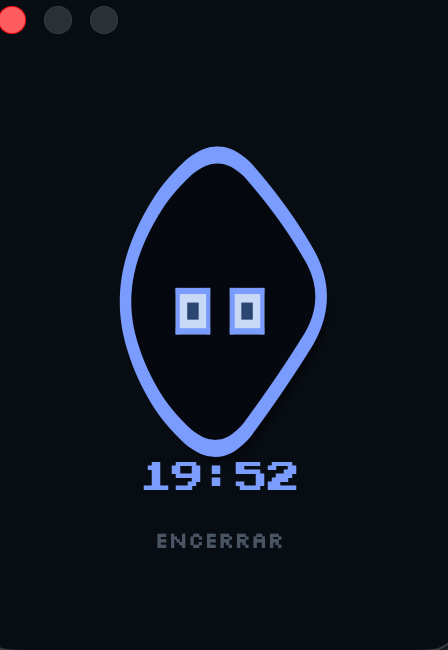
- The hidden timer — watching time run out creates anxiety
- A progress bar that fills up instead of emptying
- A mascot that stays by your side without pressuring you
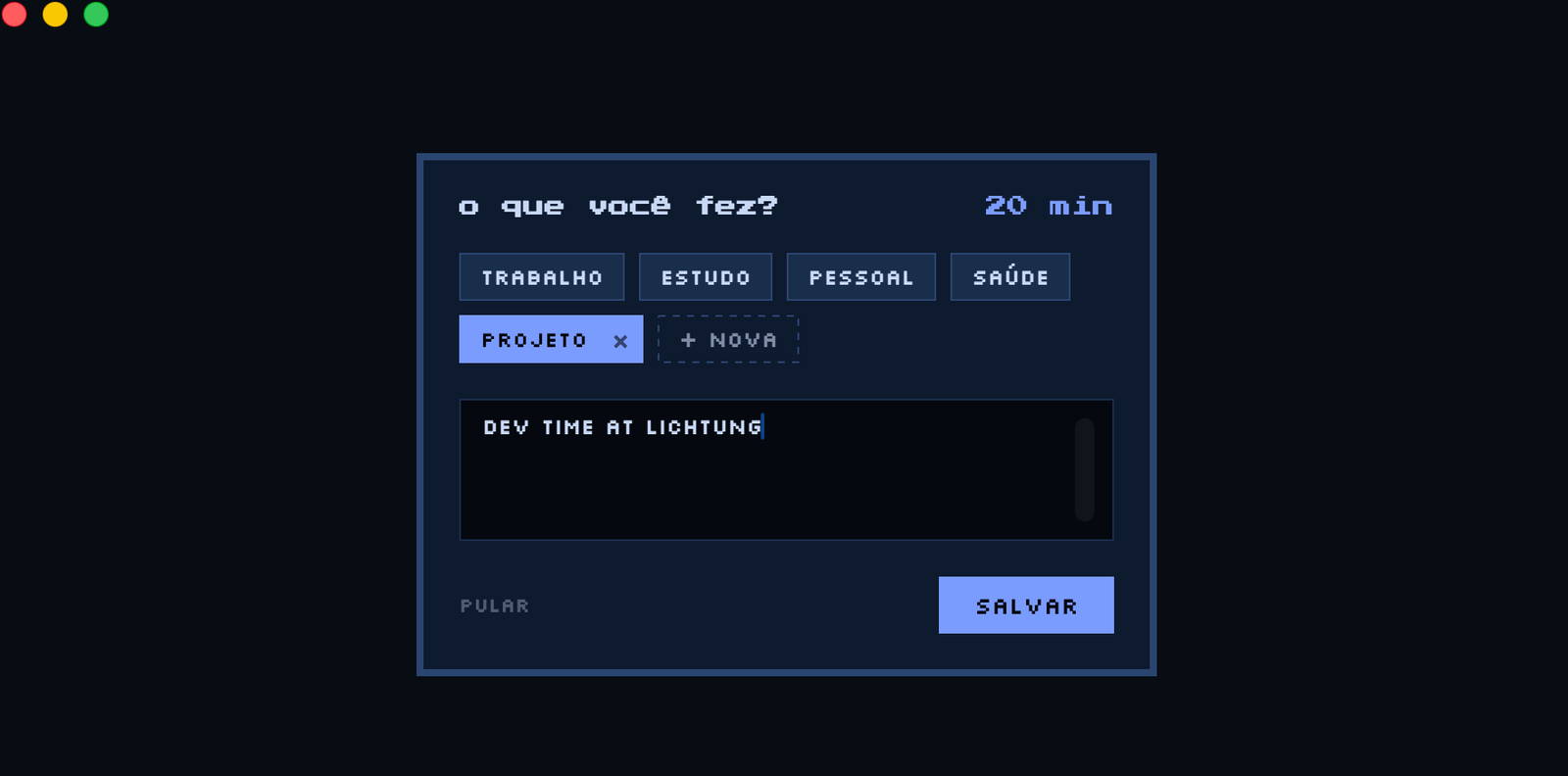
Every feature has a clinical reason behind it. I was the user, the researcher, and the PM at the same time.
The Solution
In one day, I had a working app built in Lovable — without writing a single line of code. Lichtung was built with:
- Claude — specification, product and engineering decisions, UX refinement
- Lovable — app development (React + Vite + TypeScript + Tailwind)
- Supabase — database and anonymous authentication
- Web Worker + Service Worker — reliable timer on mobile, even with the screen locked
Results
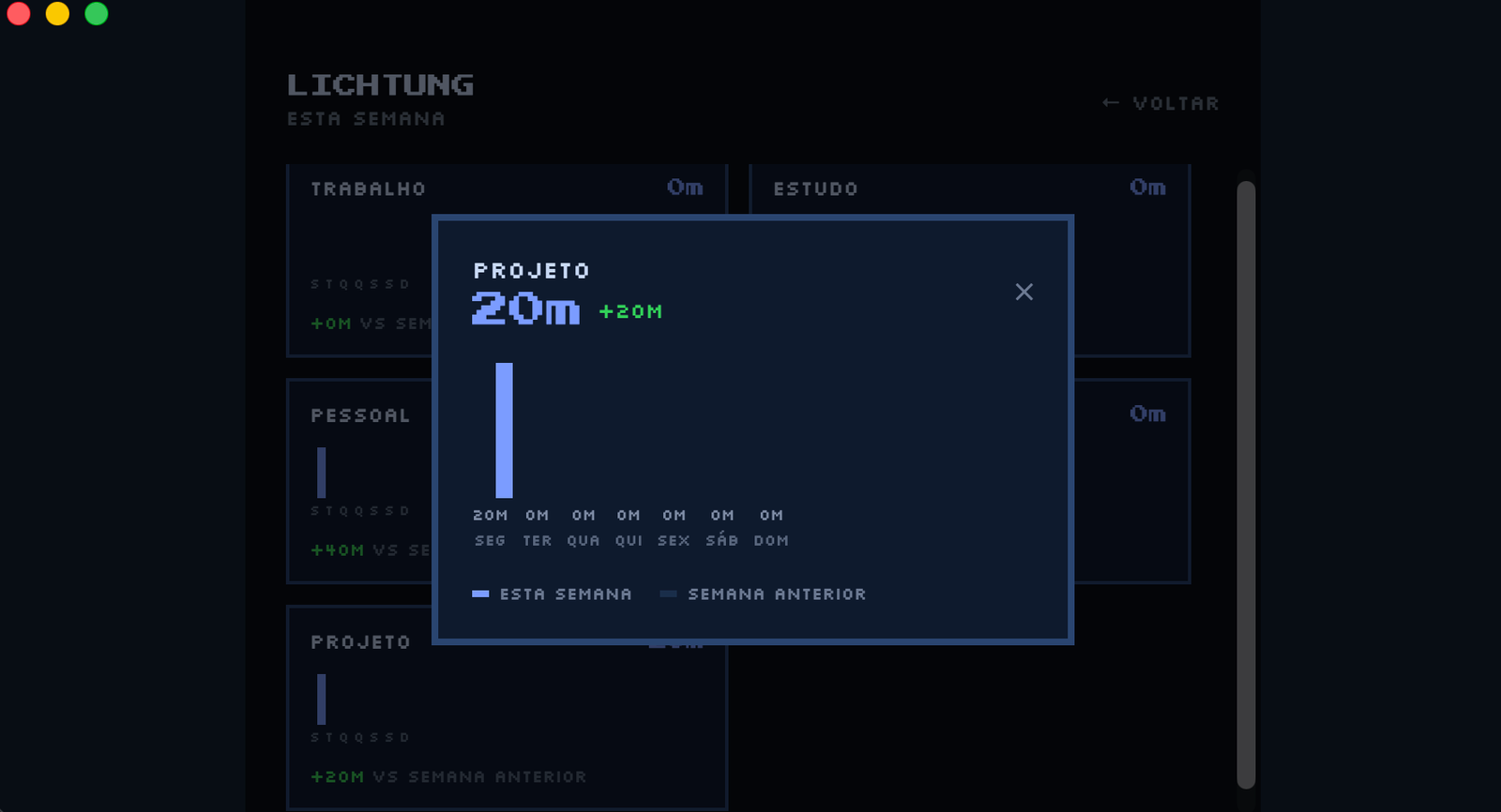
The first cycle was just me: 40% reduction in time spent on bad habits, and 20% increase in focus and study time.
Once I was comfortable with the product, I opened it to beta testers. Everyone reported more time on tasks requiring focus. The average was 17%.
The reflection
Every vibe coding case study you'll find follows the same arc: someone with no technical background builds a SaaS, gets users, talks about scale. Lichtung is the opposite of that.
AI here wasn't used to build a business. It was used to solve a real problem for a real person. The success metric wasn't MRR — it was studying more and wasting less time on bad habits.
This is vibe coding as a method of self-knowledge. When you don't know how to code and you use AI to build something for yourself, the specification process forces you to understand your own problem at a depth no off-the-shelf app ever requires. The product decisions didn't come from market research. They came from therapy.